Welcome to Tisbury Parish Council’s Website
StarFest 2026
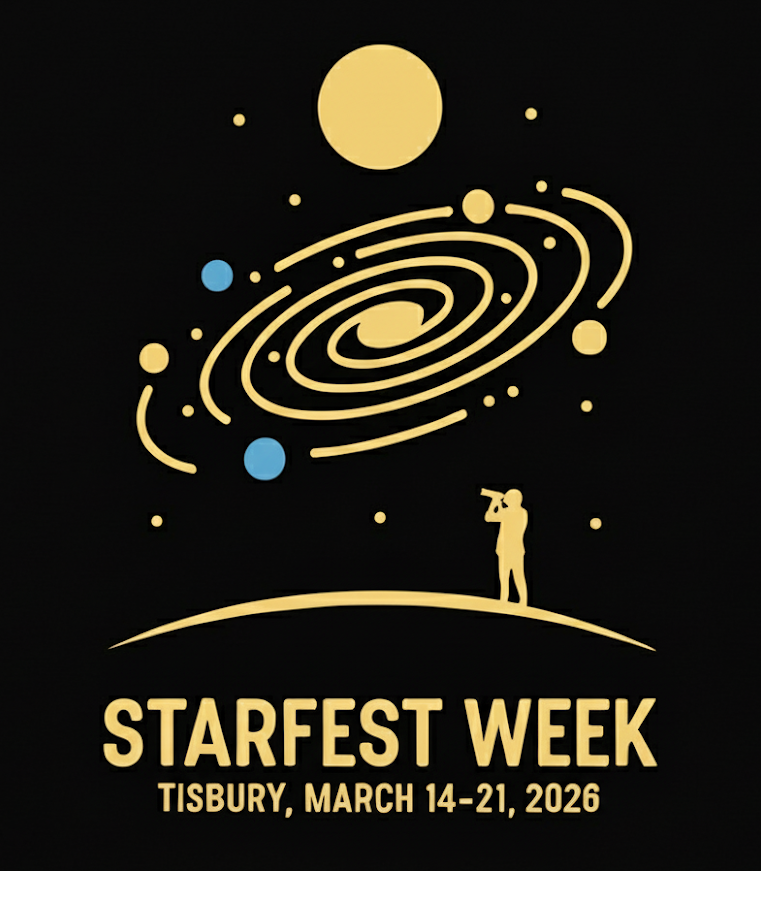
StarFest 2026 Festival, which is scheduled to light up our region in March 2026. StarFest is the annual festival of the Cranborne Chase International Dark Sky Reserve – and from 14th to 21st March 2026, Tisbury will be hosting the event for the first time. There will be a vibrant programme of music, art, and stargazing workshops for South-West Wiltshire.
Introduction
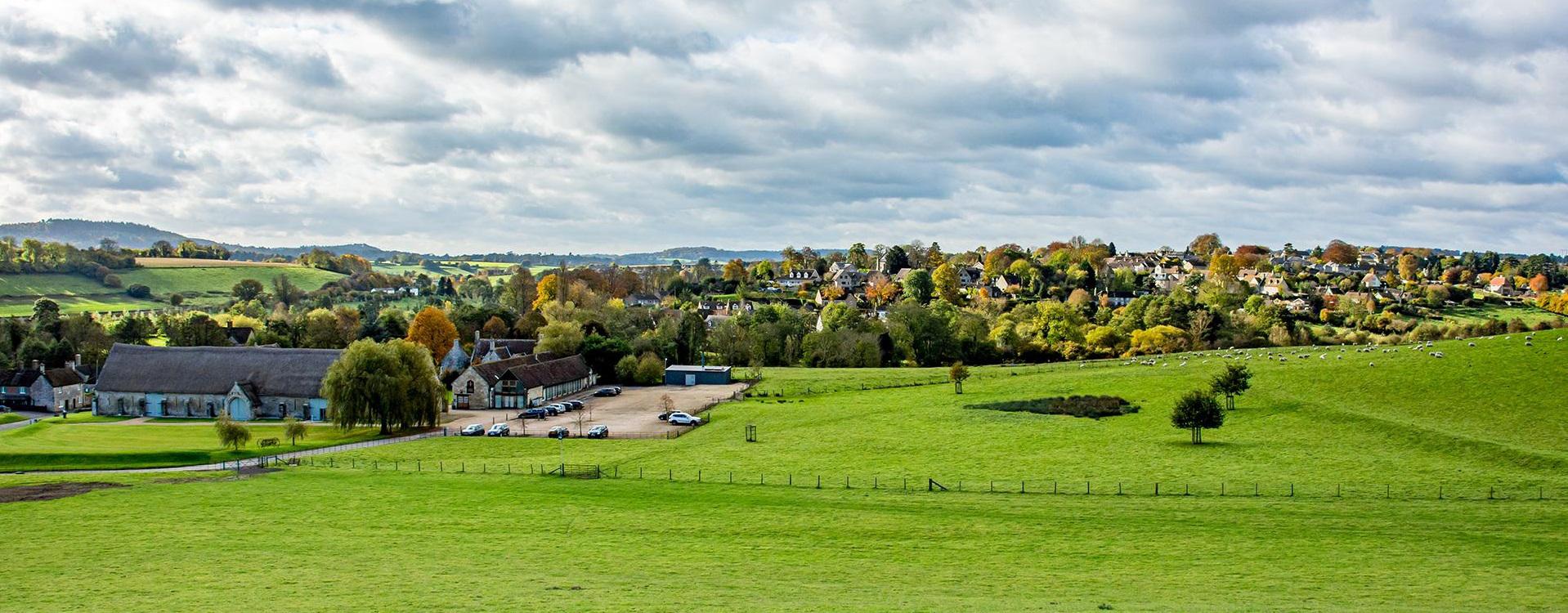
Close to the Wiltshire Dorset border Tisbury is in the heart of the Cranborne Chase National Landscape, previously known as an Area of Outstanding Natural Beauty – 380 square miles of gorgeous countryside with a rich archaeological and historical significance. Its location is also within an International Dark Sky Reserve.
The High Street boasts a wealth of independent shops together with a Co-operative food store and a Boots chemist shop. It has thriving pubs, cafes, an art gallery in a tythe barn, a Wiltshire Community Hub, the Nadder Centre, an outdoor swimming pool (May to September) and a railway station. The line connects to Salisbury, London Waterloo, and towns to the west including Sherborne and Exeter.
Some Tisbury facts
The village centre is called ‘The Square’ although it is not square, and is in fact a two-way roundabout. In the churchyard you will find a famous yew tree that is thousands of years old and predates the church. In the 2021 census, the population of Tisbury was 2,325 persons.
What is a Parish Council?
There are approximately 8,500 parish councils in England. Most parish councils were established in 1894 by an Act of Parliament, creating civil parishes which are distinct and separate from those of the church. A typical parish council represents around 1,700 people. Parish councils have powers and duties to help the community to thrive and they must not do anything unless they have the legal power to act as set out in law. The most effective parish councils will have councillors and a clerk which work as a team to provide a service to the community.
What does a Parish Council do?
Parish and town councils represent the interests of the whole community. They run local services such as allotments, car parks, celebrations and festivals, litter bins, public toilets, community orchards, parks and open spaces. They improve the quality of life such as funding community projects and services, producing neighbourhood plans and give the community a voice on planning matters with principal authorities like Wiltshire Council and with developers, the local police, health services and central government.
What does a Parish Councillor do?
A councillor’s role has three key areas:
- Decision-making – Councillors decide which activities to support, where money should be spent, what services should be delivered and what policies should be implemented by attending meetings and committees.
- Monitoring – Councillors ensure that their decisions lead to efficient and effective services by monitoring how well things work.
- Getting involved locally – As local representatives, councillors have responsibilities towards their constituents and local organisations. These responsibilities often depend on what a given councillor wants to achieve and how much time is available. Understanding the needs of different groups is an important part of the work of every parish councillor.